
TL;DR:
- Technology and AI tools enable faster, cheaper dispute resolution for small businesses and individuals.
- Proper documentation and a structured process increase chances of winning disputes and reaching agreements.
- Using online platforms and early AI assistance can prevent disputes from escalating to costly litigation.
A minor invoice disagreement with a client. A contractor who didn't deliver. A landlord ignoring repair requests. These situations seem small at first, but without the right approach, they can snowball into months of back-and-forth, legal fees that exceed the original amount in dispute, and stress that pulls you away from your work and life. The good news is that technology has fundamentally changed how individuals and small business owners can handle these conflicts. This guide walks you through exactly what to prepare, which methods to use, and how AI-powered tools can help you resolve disputes faster and for a fraction of the traditional cost.
Table of Contents
- Prepare for resolution: What you need before you start
- Step-by-step: Practical methods for resolving legal disputes
- Leverage technology: Online Dispute Resolution and AI assistance
- Special cases and common mistakes: When tech isn't enough
- Our perspective: Why tech-first resolves more disputes faster (and what most guides miss))
- Get instant, AI-powered legal help for your next dispute
- Frequently asked questions
Key Takeaways
| Point | Details |
|---|---|
| Start with negotiation | Negotiation is usually the fastest and most affordable way to resolve disputes. |
| Document everything | Keeping detailed records can make or break your legal case later. |
| Use technology solutions | Online Dispute Resolution and AI tools speed up and simplify dispute handling. |
| Know your limits | Some disputes require professional help or traditional processes, especially in power imbalance cases. |
| Escalate only when needed | Move to arbitration or court only if other steps fail or the situation demands binding resolution. |
Prepare for resolution: What you need before you start
With your problem outlined, the next step is gathering all the materials and adopting the right approach for effective resolution. Preparation is not just about being organized. It directly affects whether you win or lose. Courts and mediators consistently favor the party that shows a clear, documented timeline and evidence of good-faith attempts to resolve the issue early. As one legal resource notes, you should always document early because courts favor parties who attempted settlement first.
What to gather before any resolution attempt:
- All written communications (emails, texts, letters, chat logs)
- Signed contracts, agreements, and invoices
- Photographic or video evidence of the dispute
- Receipts, financial records, and bank statements
- A written timeline of key events and interactions
- Any prior settlement or negotiation attempts
"The party with the clearest records almost always has the stronger position, regardless of whether the dispute goes to mediation or court."
Understanding digital evidence best practices is especially important when your dispute involves online communications, software agreements, or digital transactions. Screenshots alone are often insufficient. You may need metadata, email headers, or platform export records to prove authenticity.
The mindset shift matters just as much as the paperwork. Many people walk into dispute resolution focused on proving the other party wrong. That approach almost always extends the process. A solutions-focused mindset, where you clearly define what outcome you actually need, tends to result in faster, more satisfying agreements.
Preparation summary table:
| Item to prepare | Why it matters | Best format |
|---|---|---|
| Written communications | Proves timeline and intent | PDF exports or screenshots with metadata |
| Contracts and agreements | Defines obligations of each party | Signed originals or certified copies |
| Financial records | Quantifies damages or payments | Bank statements, invoices |
| Evidence of harm | Supports your claim | Photos, videos, expert reports |
| Settlement attempts | Shows good faith | Email records, dated letters |
AI legal tools can also help you review existing contracts before you enter any negotiation, identifying clauses that support your position. And if you are not sure how a legal concept applies to your situation, AI legal guidance platforms give you immediate clarity without booking an expensive consultation.
Pro Tip: Create a single shared folder (cloud-based) for all dispute-related documents from day one. Label files by date and category. This simple habit can save hours of scrambling when you need to present your case quickly.
Step-by-step: Practical methods for resolving legal disputes
Having gathered your materials and clarified your goals, you can now move through the practical actions that resolve most disputes. There is a logical order to this, and skipping steps is one of the most common mistakes people make.
The resolution sequence:
- Direct negotiation. Start here. Contact the other party in writing, clearly state the issue, what you need to resolve it, and set a reasonable deadline for a response. Keep the tone professional. This is the fastest and cheapest method, and it works more often than people expect.
- Send a formal demand letter. If direct contact fails, a written demand letter puts your claim on record. It signals seriousness without escalating to legal action. Many disputes end here because the other party realizes you mean business.
- Mediation. A neutral third party helps both sides reach a voluntary agreement. Mediation resolves 70-80% of business disputes, making it one of the most effective tools available. It is non-binding, meaning both parties must agree to the outcome, but it preserves relationships better than litigation.
- Online Dispute Resolution (ODR). ODR platforms allow both parties to negotiate, mediate, or arbitrate remotely. For many small business disputes, especially those involving contracts, payments, or services, ODR is faster and more cost-effective than in-person mediation.
- Arbitration. An arbitrator acts like a private judge. The decision is binding. Use this when you need finality and both parties agree to it as a resolution method, often because a contract requires it.
- Litigation. The last resort. Litigation is expensive, slow, and public. For individuals and small businesses, starting with direct negotiation or demand letters, then mediation or ODR, avoids the heavy cost of going to court.
Comparison of dispute resolution methods:
| Method | Average cost | Time to resolve | Binding? | Best for |
|---|---|---|---|---|
| Direct negotiation | Minimal | Days to weeks | No | Simple, low-stakes disputes |
| Demand letter | Low | 1 to 3 weeks | No | Putting claims on formal record |
| Mediation | Moderate | Weeks to months | No | Relationship-preserving outcomes |
| ODR | Low to moderate | Days to weeks | Varies | Remote, tech-friendly disputes |
| Arbitration | Moderate to high | Weeks to months | Yes | Contract disputes needing finality |
| Litigation | High | Months to years | Yes | Complex, high-value cases |
Using AI-powered drafting tools, you can quickly prepare demand letters and negotiation summaries that are professionally worded without paying for a lawyer to draft every document from scratch.

Pro Tip: Consider ODR platforms as your first escalation option after failed direct negotiation. They cost significantly less than mediation or arbitration, and many platforms resolve disputes within weeks.
Leverage technology: Online Dispute Resolution and AI assistance
Many of the steps above become easier and faster when you use the right technology. Here is how technology redefines dispute resolution for everyday users.
What is ODR? Online Dispute Resolution refers to technology platforms that handle the negotiation, mediation, or arbitration process remotely. Parties communicate through the platform, submit evidence digitally, and receive decisions or agreements without meeting in person. ODR platforms provide efficient, low-cost alternatives for small businesses and individuals who cannot afford traditional dispute resolution costs.
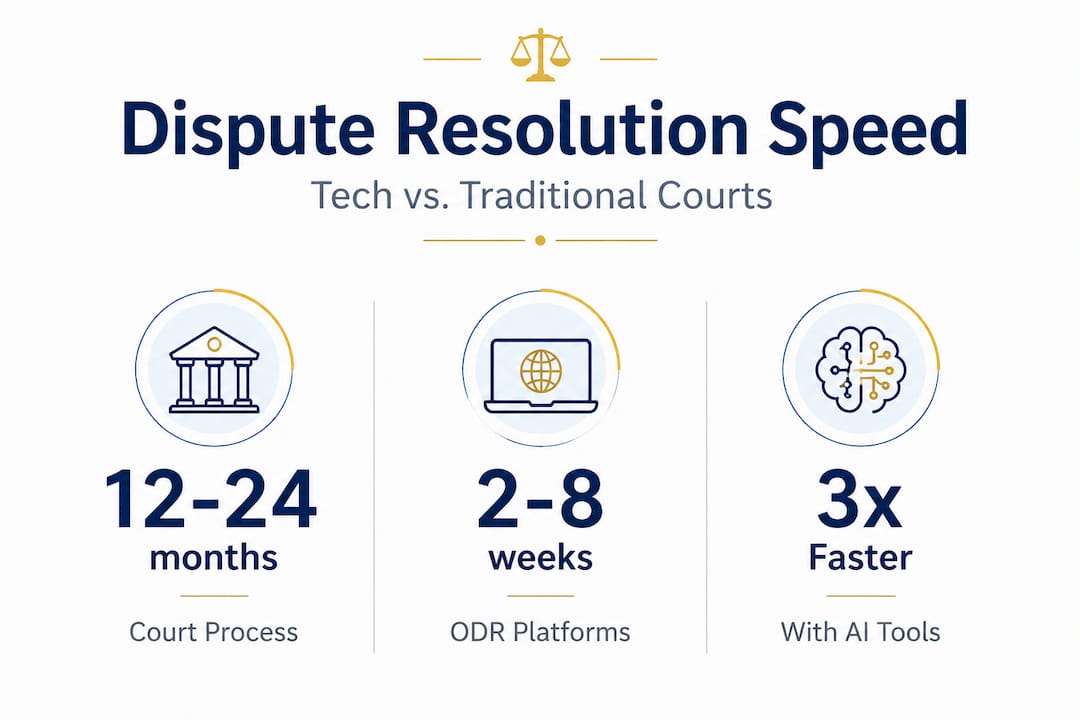
The speed difference is striking. Traditional court proceedings for a small commercial dispute can take 12 to 24 months. ODR resolves disputes far more quickly. Platforms like Setld, for example, resolve financial disputes in under 5 weeks entirely online. That kind of turnaround is transformative for a small business waiting on an unpaid invoice or dealing with a supplier dispute.
Comparing traditional ADR to ODR:
| Factor | Traditional ADR | ODR |
|---|---|---|
| Speed | Weeks to months | Days to weeks |
| Cost | Moderate to high | Low to moderate |
| Privacy | Varies | Generally higher |
| Accessibility | In-person often required | Fully remote |
| Document handling | Physical or manual | Automated and digital |
| Feedback speed | Delayed | Near-instant in many cases |
Key benefits of using ODR and AI tools in disputes:
- Faster submission and review of evidence
- Instant feedback on legal issues from AI platforms
- Stronger documentation through automated records
- Privacy protection compared to public court proceedings
- Reduced stress by removing in-person confrontation
AI assistance goes beyond ODR platforms. Tools built for AI for legal research can pull relevant case law, regulations, and contractual precedents in minutes. Instead of spending hours researching whether a clause in your contract is enforceable, you can get a substantive answer quickly and then verify it with a legal professional if needed.
For those who need to formalize agreements during the resolution process, drafting legal documents with AI is an increasingly reliable way to create settlement agreements, release forms, and formal correspondence that hold up to scrutiny.
"Technology does not replace legal judgment, but it removes the gatekeeping that kept fast, affordable dispute resolution out of reach for most individuals and small businesses."
Special cases and common mistakes: When tech isn't enough
Most disputes are resolved with modern tools, but some exceptions require you to shift strategies or seek additional help. Knowing when to step back from technology-driven methods is just as important as knowing when to use them.
When to choose arbitration or litigation over mediation or ODR:
- The other party refuses to engage in any voluntary process
- There is a history of abuse, manipulation, or extreme power imbalance
- The dispute involves criminal conduct or regulatory violations
- A binding legal decision is necessary to enforce a remedy
- The relationship between parties is permanently ended and no compromise is possible
As research from Harvard's Program on Negotiation confirms, mediation is unsuitable for situations involving abuse or significant power imbalances. In those cases, arbitration or litigation provides the binding decisions and legal protections that voluntary processes cannot.
Common mistakes that damage your case:
- Incomplete records. Missing even one key email or contract version can weaken your position significantly.
- Skipping negotiation. Going straight to legal action often inflates costs and damages goodwill unnecessarily.
- Emotional communication. Sending angry messages creates a paper trail that works against you.
- Ignoring deadlines. Every dispute has a statute of limitations, which is the legal deadline by which you must take action. Miss it, and you may lose your right to any remedy at all.
- Failing to get agreements in writing. Verbal agreements reached during negotiation or mediation are extremely difficult to enforce later.
Reviewing forensic documentation tips before submitting evidence in formal proceedings ensures your materials meet the standards required for review.
If your dispute involves contracts, employment issues, privacy concerns, or regulatory compliance questions, consulting legal experts alongside AI tools gives you both the speed of technology and the judgment of an experienced professional. Think of AI as your research assistant and preparation partner, and a legal professional as your strategist when the stakes are genuinely high.
Pro Tip: Before starting any resolution process, check the statute of limitations for your specific dispute type in your state. For contract disputes, this is typically 3 to 6 years, but it varies. Missing this deadline permanently eliminates your legal options.
Our perspective: Why tech-first resolves more disputes faster (and what most guides miss)
It's easy to stick with what's familiar. When something goes wrong, many people still reach for a lawyer's phone number first. That instinct made sense 20 years ago. It does not make the same sense today.
Most conventional guides on dispute resolution treat technology as a supplementary option, something you mention briefly before getting to the "real" advice about hiring attorneys and going to court. That framing is outdated and, frankly, expensive for the people reading it.
Here is what we have observed: the majority of legal disputes between individuals and small businesses are not inherently complex. They involve a broken agreement, an unpaid invoice, a service not delivered, or a communication breakdown. These disputes do not need courtroom drama. They need clear documentation, a structured process, and fast access to accurate legal information.
The real missed opportunity is in how early AI tools should enter the picture. Most people wait until they are already deep in conflict before thinking about their records or researching their options. Using streamlining legal work with AI tools from the very beginning of a business relationship, not just when things go wrong, changes the entire trajectory of how disputes develop and resolve.
When contracts are drafted with clear terms, when agreements are stored and accessible, and when you know your rights before a conflict escalates, you almost never need to escalate at all. Technology is not just a dispute resolution tool. Used proactively, it is a dispute prevention tool.
The small business owners who handle disputes most effectively are not the ones with the best lawyers on speed dial. They are the ones who are organized, informed, and act quickly using the best available tools before costs spiral. That is the approach we believe in, and it is what drives the features and resources we build.
Get instant, AI-powered legal help for your next dispute
If you're ready to put these ideas into action, modern AI tools can guide you every step of the way. Navigating a dispute is stressful enough without having to decode legal language or wait days for a consultation to become available.
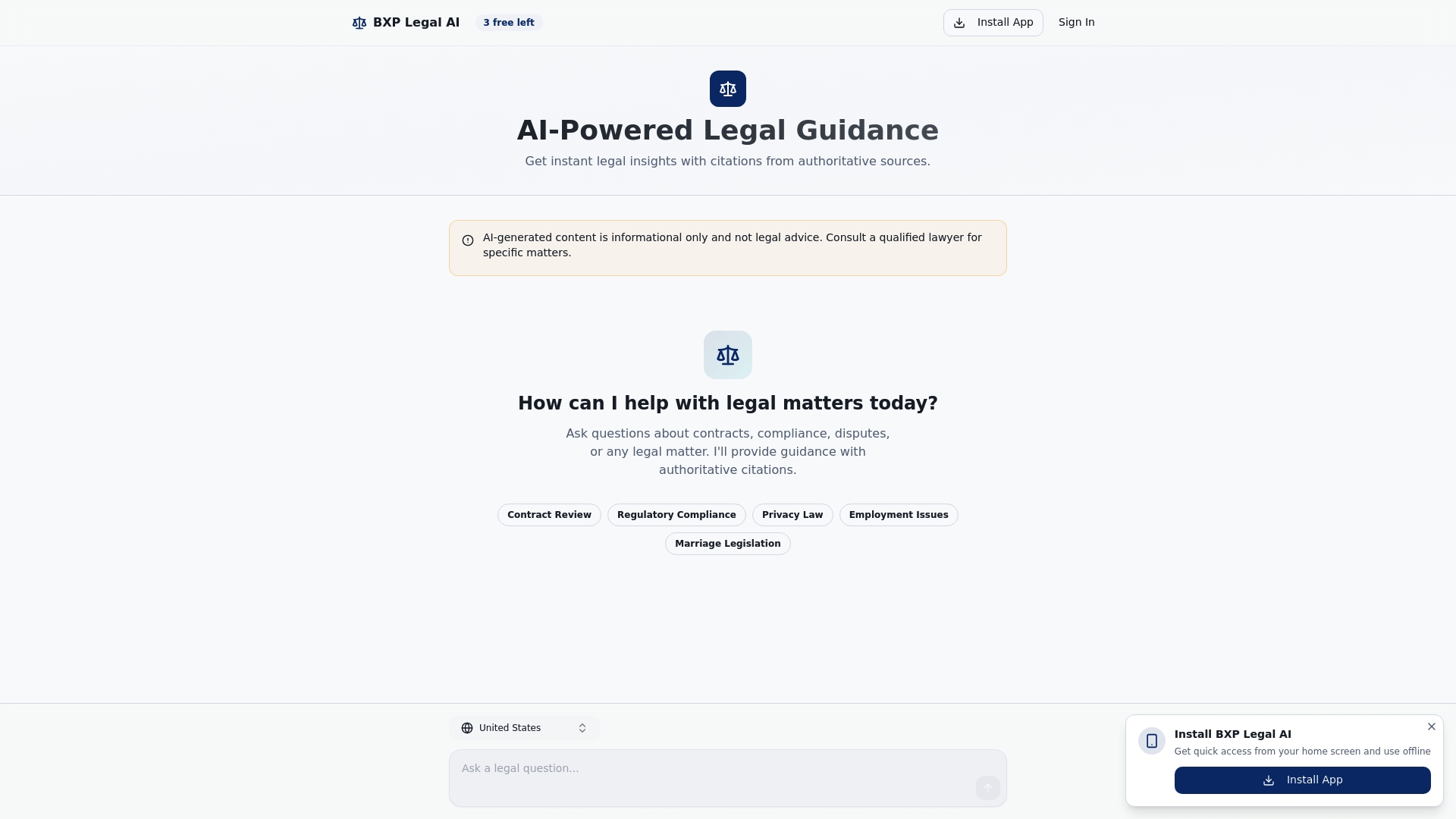
BXP Legal's AI-powered platform puts instant legal guidance in your hands the moment you need it. Whether you're reviewing a contract before signing, drafting a demand letter, or researching whether your dispute is suited for mediation or ODR, the platform gives you accurate, citation-backed answers immediately. Explore the full range of BXP Legal AI features designed specifically for individuals and small businesses navigating legal disputes. You can even use the document comparison tool to spot differences between contract versions that might be central to your case. Smart, accessible, and built for people who need answers fast.
Frequently asked questions
What is Online Dispute Resolution (ODR) and how is it different from traditional methods?
ODR uses technology platforms to resolve disputes quickly and remotely, often at lower cost than in-person mediation or court. Platforms like Setld show just how efficient this can be, resolving financial disputes in under 5 weeks entirely online.
Is mediation always better than arbitration?
Not always. Mediation preserves relationships and is non-binding, while arbitration delivers a binding decision with limited appeal rights. The right choice depends on whether you need finality or flexibility.
Can I resolve disputes without hiring a lawyer?
Yes. Negotiation, ODR, and mediation resolve the majority of disputes without an attorney, unless the case is highly complex, involves significant financial stakes, or requires a binding legal outcome.
When should I escalate a dispute to litigation?
Escalate when negotiation, mediation, and ODR have all failed, or when the dispute involves abuse, power imbalance, or requires a binding court decision to enforce a remedy.
What kinds of evidence should I collect for dispute resolution?
Gather contracts, written communications, and financial records from the start. Courts consistently favor parties who documented communications early and demonstrated good-faith efforts to resolve the dispute before escalating.