
TL;DR:
- Properly drafted contract clauses define obligations, allocate risks, and ensure legal compliance.
- Tailoring clauses to specific transaction needs helps prevent ambiguity and costly disputes.
- Regular review and updates of clauses are essential to maintain legal enforceability and industry compliance.
Contract clauses are the backbone of every business agreement. Get them right, and you have a clear roadmap for every obligation, payment, and dispute scenario. Get them wrong, or leave them out entirely, and you are setting yourself up for costly litigation and broken business relationships. Research consistently shows that vague or missing clauses are among the top reasons commercial contracts fail in practice. This article walks you through practical, real-world examples of the most critical contract clauses, how to select them, how to compare specialized options, and how to tailor them for compliance so your agreements actually hold up when it matters most.
Table of Contents
- Selection criteria for contract clauses
- Examples of core contract clauses and their functions
- Comparison of specialized clauses for unique business situations
- Tailoring contract clauses for compliance and risk management
- Why most contract clause examples miss the mark: lessons from real disputes
- Take your contract drafting to the next level with BXP Legal AI
- Frequently asked questions
Key Takeaways
| Point | Details |
|---|---|
| Clause selection matters | Choosing the right clauses protects your business from risk and compliance pitfalls. |
| Customize for each deal | Tailor clause language for your specific agreement instead of relying solely on templates. |
| Review regularly | Revisit and update contract clauses at least once a year to stay compliant. |
| Comparisons save money | Using comparison tools and checklists helps spot oversights and minimize disputes. |
Selection criteria for contract clauses
Choosing the right clauses is not about stuffing every possible provision into a document. It is about identifying what your specific transaction needs to be enforceable, clear, and aligned with your business goals. A clause earns its place in a contract when it serves one of three functions: it defines an obligation precisely, it allocates risk between the parties, or it ensures the agreement complies with applicable law.
Before you start drafting, ask yourself these questions about each clause you consider:
- Does it clearly state who must do what, by when, and under what conditions?
- Does it address the most likely points of dispute for this type of transaction?
- Is it enforceable under the governing law of the contract?
- Does it align with your business's risk tolerance and commercial objectives?
- Does it meet any regulatory or industry-specific compliance requirements?
A strong contract review checklist helps you apply these criteria systematically, ensuring compliance and reducing risk before you sign anything. Using a checklist also prevents the common mistake of copying a template clause without checking whether it fits your actual transaction.
Templates are useful starting points, but they carry hidden dangers. A standard limitation of liability clause written for a software vendor may be completely inadequate for a construction subcontractor. The underlying risk profile is different, the regulatory environment is different, and the consequences of a breach are different. Always tailor template language to your specific deal.
Pro Tip: When reviewing a template clause, ask: "What is the worst-case scenario this clause is supposed to prevent?" If the clause does not clearly address that scenario for your transaction, rewrite it before you sign.
Industry data suggests that over 60% of contract disputes stem from ambiguous or incomplete clauses rather than outright bad faith. That statistic should motivate every contract manager to treat clause selection as a strategic exercise, not a formality.
Examples of core contract clauses and their functions
Every business contract, regardless of industry, relies on a set of foundational clauses. Understanding what each one does, and seeing sample language, makes the difference between a contract that protects you and one that leaves you exposed.
Here is a quick reference table of core clauses and their primary functions:
| Clause | Primary function | Key risk if missing |
|---|---|---|
| Definitions | Eliminates ambiguity in key terms | Disputes over meaning |
| Recitals | Establishes context and intent | Misunderstanding of purpose |
| Payment terms | Sets amounts, dates, and methods | Non-payment or late payment |
| Limitation of liability | Caps financial exposure | Unlimited damages claims |
| Confidentiality | Protects sensitive information | Data or trade secret leaks |
Let's look at practical sample wording for two of the most critical clauses:
Payment terms example: "Invoices are due and payable within thirty (30) days of the invoice date. Any amounts not paid by the due date will accrue interest at a rate of 1.5% per month until paid in full."
Confidentiality example: "Each party agrees to hold the other's Confidential Information in strict confidence and not to disclose it to any third party without prior written consent, except as required by law."
Notice what makes these clauses work: they are specific about timeframes, rates, and conditions. Standard boilerplate clauses enhance legal clarity precisely because they remove room for interpretation.
Watch out for these common drafting pitfalls:
- Vague obligations: Phrases like "reasonable efforts" or "as soon as possible" invite disagreement. Replace them with specific actions and deadlines.
- Missing definitions: If your contract uses a term like "deliverable" or "confidential information," define it explicitly in a definitions clause.
- Inconsistent cross-references: A payment clause that references a schedule that does not exist creates immediate confusion.
For a deeper look at how these provisions work together, the contract compliance guide offers practical guidance on structuring documents for small and mid-sized businesses.
Pro Tip: Always define key terms in a dedicated definitions clause at the start of the contract. Every time a defined term appears in the body, capitalize it so both parties know they are referring to the agreed definition.
Comparison of specialized clauses for unique business situations
Once you have your core clauses in place, specialized provisions address the unique risks of your industry or transaction type. These clauses are where contracts get interesting, and where the difference between a good contract and a great one becomes clear.
Here is a comparison of four specialized clauses and where they apply:
| Clause | Best suited for | What it does |
|---|---|---|
| Indemnity | Service agreements, construction | Shifts liability for third-party claims |
| Dispute resolution | All commercial contracts | Sets process for resolving disagreements |
| Force majeure | Supply chain, international deals | Excuses performance due to unforeseeable events |
| Data protection | Technology, healthcare, SaaS | Governs handling of personal or sensitive data |
For technology contracts, data protection clauses are non-negotiable. A well-drafted data protection clause specifies what data is collected, how it is stored, who can access it, and what happens in the event of a breach. In cross-border deals, multi-jurisdictional contracts require careful clause selection because a force majeure clause valid in one country may be unenforceable in another.
"A dispute resolution clause is not just about litigation. It should specify whether the parties will attempt mediation first, which arbitration rules apply, and where proceedings will take place. Skipping this detail is one of the most expensive mistakes a business can make."
For service agreements, indemnity clauses deserve careful attention. A broad indemnity can expose you to liability for events entirely outside your control. Narrow the scope by specifying that indemnity applies only to losses arising from your own negligence or breach, not from the other party's actions.

Force majeure clauses became critically important after 2020, when many businesses discovered their contracts had no clear mechanism for handling supply disruptions. A strong force majeure clause lists specific triggering events, sets a notice requirement, and defines what happens if the event continues beyond a set period.
Understanding the full range of types of legal documents helps you recognize which specialized clauses are standard for your contract type and which ones require custom drafting.
Tailoring contract clauses for compliance and risk management
Drafting strong clauses is only half the job. Keeping them compliant with evolving regulations is an ongoing responsibility that many businesses underestimate. Regulatory changes in areas like data privacy, employment law, and financial services can make previously solid clauses legally inadequate almost overnight.
Here is a practical numbered checklist for adapting your clauses to stay compliant:
- Identify applicable regulations for your industry and jurisdiction, including any updates from the past twelve months.
- Map each regulation to the relevant contract clause. For example, a new data privacy law may require updates to your confidentiality and data protection clauses.
- Review your standard templates against the updated regulatory requirements and flag any gaps.
- Update clause language to reflect new obligations, using precise legal terminology where required.
- Document your review process so you have a record of when and why changes were made.
- Consult a qualified legal professional before finalizing changes to high-risk clauses.
Effective compliance in document drafting is not a one-time event. It is a cycle of review, update, and verification. Businesses that treat compliance as an annual audit rather than an ongoing practice are the ones most likely to get caught off guard.
Auditing your existing contracts for compliance gaps is equally important. Pull your five most frequently used contract templates and check each clause against current regulations. You may find that a limitation of liability clause written three years ago no longer reflects current statutory caps in your jurisdiction.
Pro Tip: Set a calendar reminder to review your core contract templates every six months. Regulatory environments shift faster than most businesses realize, and legal clarity in contracts is directly tied to how current your clause language is.
Studies indicate that approximately 40% of businesses revise at least one major contract clause annually due to regulatory changes. If you are not in that group, you may already be operating with outdated provisions.
Why most contract clause examples miss the mark: lessons from real disputes
Here is an uncomfortable truth: most clause examples you find online are written to look correct, not to survive a real dispute. They are polished, they use the right legal vocabulary, and they are almost entirely useless when a business relationship breaks down under pressure.
Real disputes do not happen because a clause was technically wrong. They happen because a clause did not account for what the parties actually do in practice. A payment clause that looks perfect on paper can still generate a lawsuit if it fails to address what happens when a partial delivery is made or when an invoice is disputed.
The importance of legal documentation is not just about having the right words. It is about having clauses that reflect how your business actually operates, who your counterparties are, and what specific risks your industry carries. Generic examples cannot do that for you.
The best clause drafters we have seen treat every clause as a prediction. They ask: "What scenario could make this clause fail?" and then they draft to prevent that scenario. That mindset, more than any template, is what separates contracts that hold up from contracts that fall apart.
Take your contract drafting to the next level with BXP Legal AI
Understanding clause selection and compliance is valuable, but applying it consistently across every agreement you manage is where most teams struggle.
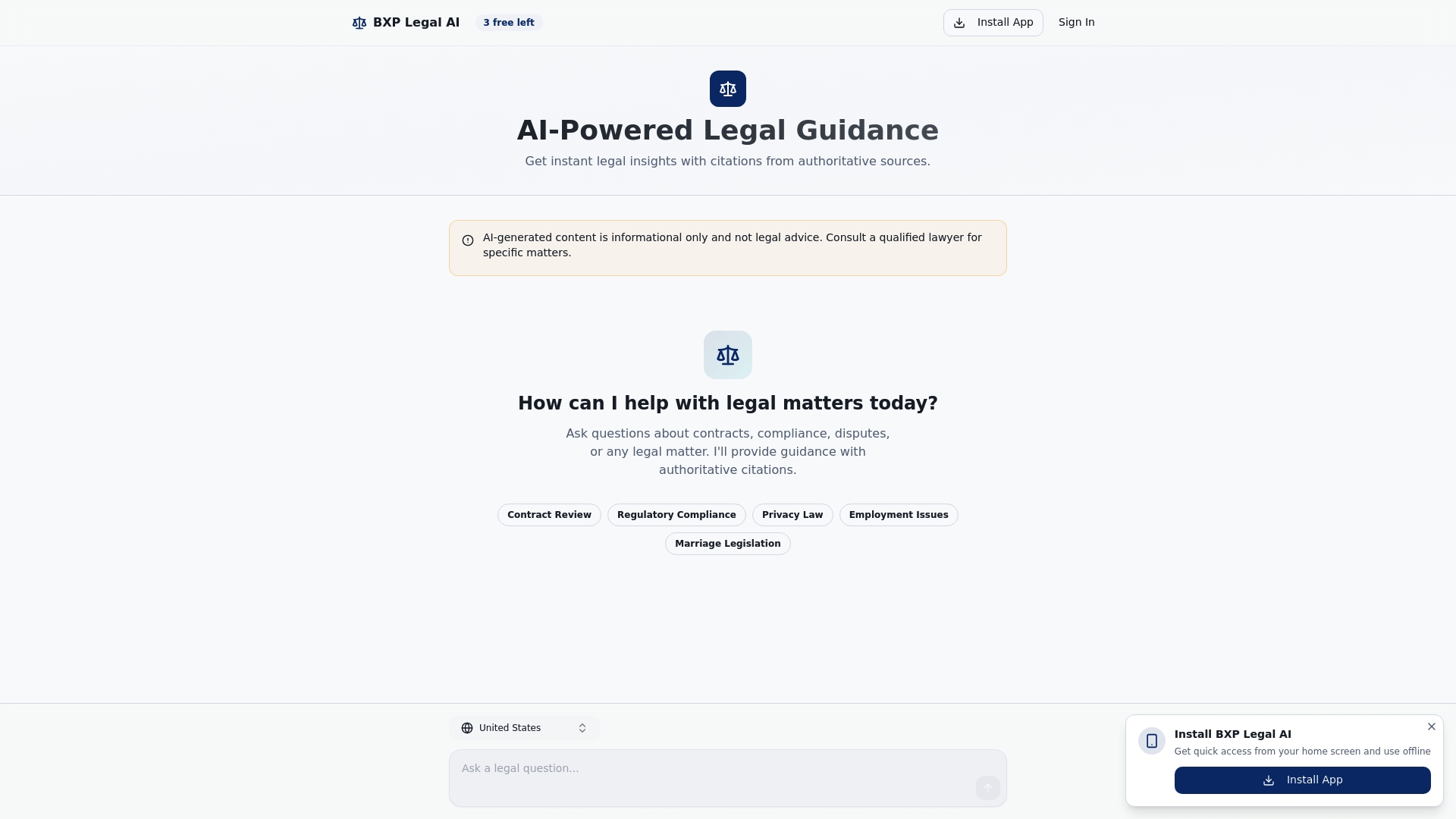
BXP Legal AI gives business owners and contract managers instant access to AI-powered clause analysis, compliance guidance, and expert contract templates, all backed by authoritative legal citations. Whether you need to identify gaps in an existing agreement or draft a new clause from scratch, the platform's document comparison feature makes it fast and reliable. Stop spending hours second-guessing your contract language and start drafting with confidence. BXP Legal AI is your practical tool for staying ahead of legal risk without the overhead of traditional legal review.
Frequently asked questions
What is the most important clause in a business contract?
While all clauses matter, payment and liability provisions are critical because they directly define financial risk and commercial responsibility. Standard boilerplate clauses enhance legal clarity across all agreement types.
How often should contract clauses be updated?
Contract clauses should be reviewed at least annually or whenever regulations affecting your industry change. Consistent compliance in document drafting keeps your agreements legally sound and enforceable.
Can I use contract clause templates for all agreements?
Templates are a strong starting point, but every clause must be customized to reflect the specific risks and details of each transaction. A solid contract review checklist helps you verify that template language fits your actual deal.
How do I minimize disputes with contract clauses?
Clear definitions, explicit dispute resolution provisions, and precise payment terms are the most effective tools for reducing disagreements. In multi-jurisdictional contracts, careful clause selection is especially important because legal standards vary by country.
Recommended
- Master contract drafting with expert strategies 2026
- Contract review checklist: ensure compliance, reduce risks
- AI Legal Tools Explained: Simplify Contracts and Compliance
- Build efficient document automation workflows 2026
- Contratos inteligentes: usos y beneficios - Life Academy
- Transportcontract opstellen: stappen, tips en valkuilen