
TL;DR:
- Legal disputes are more common than many expect, potentially costing small businesses thousands of dollars. Most conflicts are civil and involve contract breaches, employment claims, or partnership issues, making clear documentation and strategic dispute prevention vital. Online legal tools and proper resolution clauses can help small businesses manage risks effectively and avoid costly court battles.
Legal disputes are far more common than most people expect, and the financial consequences can be severe. 43% of small businesses face lawsuit threats at some point, with the average cost of defending a single claim reaching $54,000. Whether you're an individual navigating a contract gone wrong or a small business owner dealing with a disgruntled employee, understanding the landscape of legal disputes is one of the smartest moves you can make. This article breaks down the main dispute types, explains your resolution options, and gives you practical strategies to prevent costly legal battles before they start.
Table of Contents
- Legal dispute categories: Civil, criminal, and business
- Top legal dispute types individuals and small businesses face
- Resolution methods: Litigation, mediation, and arbitration
- How to prevent and manage legal disputes proactively
- The overlooked truth about legal disputes and online solutions
- Get expert legal guidance online
- Frequently asked questions
Key Takeaways
| Point | Details |
|---|---|
| Know dispute categories | Understanding civil, criminal, and business disputes helps you make the right legal choices. |
| Contract disputes are most common | Breaches and unclear terms lead to most litigation for small businesses and individuals. |
| Resolve disputes efficiently | Mediation and arbitration are often faster and more cost-effective than going to court. |
| Prevention beats reaction | Clear contracts, documentation, and online tools dramatically reduce legal risks. |
| Online solutions empower | Platforms like BXP Legal make guidance and document drafting accessible and affordable. |
Legal dispute categories: Civil, criminal, and business
Most legal conflicts fall into one of two broad categories: civil or criminal. Understanding the difference is fundamental because it determines how a dispute is handled, who brings the case, and what the outcome looks like.
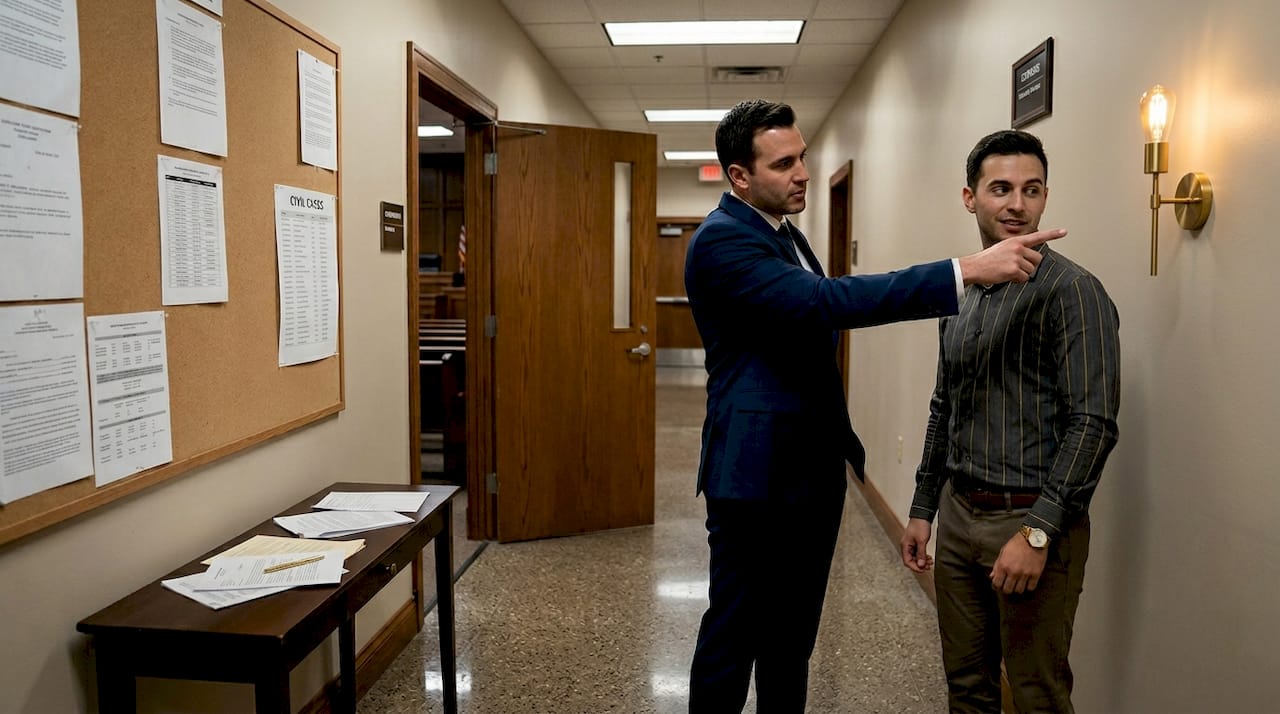
Civil disputes involve remedies between private parties, while criminal disputes address violations of public law where the government prosecutes an individual or organization. In a civil case, one party sues another for money damages or specific performance. In a criminal case, a prosecutor acts on behalf of society to punish wrongdoing through fines, probation, or imprisonment.
For individuals and small businesses, the overwhelming majority of disputes are civil in nature. That said, some business misconduct, such as fraud or certain labor violations, can cross into criminal territory, which makes understanding legal risk explained all the more important when structuring your business practices.
Here are the main types of legal disputes organized by category:
- Civil disputes: Breach of contract, property damage claims, personal injury, divorce and family law matters, landlord-tenant conflicts, and debt collection
- Criminal disputes: Theft, fraud, assault, tax evasion, and regulatory violations with criminal penalties
- Business disputes (civil subset): Contract disagreements, employment claims, partnership conflicts, intellectual property infringement, and defamation
"Civil law seeks to provide remedies to injured parties, while criminal law exists to punish those who commit offenses against the public order." This distinction shapes every aspect of how a case proceeds, from who files the claim to what happens if you lose.
Business disputes deserve special attention because they often sit at the intersection of multiple legal areas at once. A single business conflict can involve contract law, employment law, and even tort law (meaning civil wrongs that cause harm) simultaneously. Knowing which category your dispute falls into helps you find the right attorney, select the right resolution method, and set realistic expectations for outcomes and timelines.
Top legal dispute types individuals and small businesses face
Understanding categories helps, but knowing the top dispute types makes prevention practical. Let's get specific about what actually lands individuals and businesses in legal trouble most often.
Contract breaches represent 60% of business litigation, making them the single biggest source of legal conflict for small companies. Employment claims, partnership disputes, and business torts round out the list of most common issues.
The top legal dispute types include:
- Contract disputes: A vendor doesn't deliver, a client refuses to pay, or the terms of an agreement turn out to be ambiguous. These are the most frequent triggers for litigation.
- Employment claims: Wrongful termination, workplace discrimination, unpaid overtime, harassment, and failure to follow proper termination procedures. Employee lawsuits affect 1 in 5 small businesses, making this a category no employer can afford to ignore.
- Partnership and shareholder disputes: Disagreements over profit sharing, decision-making authority, breach of fiduciary duty, or one partner wanting to exit the business.
- Business torts: This covers civil wrongs like fraud, negligent misrepresentation, defamation (false statements that harm your reputation), and interference with business relationships.
- Intellectual property disputes: Trademark infringement, copyright violations, and trade secret theft are increasingly common as businesses operate more digitally.
- Landlord-tenant conflicts: Both residential and commercial tenants face disputes over lease terms, security deposits, repairs, and evictions.
Understanding contract law basics is arguably the most powerful step you can take to reduce your exposure across multiple dispute categories at once, since contracts sit at the root of so many business relationships.
Here's a snapshot of relative frequency and financial risk:
| Dispute Type | Frequency | Average Cost to Resolve |
|---|---|---|
| Contract breach | Very high (60% of litigation) | $15,000 to $75,000 |
| Employment claim | High (1 in 5 businesses) | $40,000 to $100,000+ |
| Partnership dispute | Moderate | $25,000 to $150,000 |
| Business tort | Moderate | $30,000 to $200,000+ |
| Landlord-tenant | High | $5,000 to $30,000 |
The numbers make clear why small business owners need to be proactive. A single employment claim can cost more than many small businesses earn in a year. Understanding why small businesses need legal guidance is not abstract advice; it's a financial survival strategy.
Consider a real-world scenario: A small marketing agency hires a freelance developer, uses a vague one-page agreement, and the project goes sideways. The developer claims they're owed payment for work not specified in the contract. The agency disagrees. Without a clear written contract specifying deliverables, timelines, and payment terms, both sides have a legitimate argument, and resolving it will cost significantly more than the original project fee. That's the kind of avoidable dispute that happens every day across thousands of small businesses.
Resolution methods: Litigation, mediation, and arbitration
After knowing the dispute types, choosing the right resolution channel is key. Not every dispute belongs in a courtroom. In fact, heading straight to litigation is often the most expensive and time-consuming path you can choose.
The three main resolution methods are litigation, mediation, and arbitration. Each works differently, and the right choice depends on your specific situation, your relationship with the other party, and how much control you want over the outcome.
Litigation means taking your dispute to court. A judge (and sometimes a jury) hears both sides and issues a legally binding decision. Litigation offers the most formal procedural protections, including discovery (the right to gather evidence from the other side) and the ability to appeal. But it's also the slowest and most expensive option, often taking one to three years to resolve.
Mediation is a facilitated negotiation process. A neutral third party, the mediator, helps both sides communicate and work toward a voluntary agreement. Mediation is non-binding, meaning either party can walk away if they're not satisfied. It's confidential, usually much faster than litigation, and preserves business relationships better than going to court.
Arbitration functions more like a private court. An arbitrator (or panel) hears evidence and issues a decision that is typically binding on both parties. Arbitration is faster than litigation and more private, but you generally give up your right to appeal.
| Method | Speed | Cost | Binding? | Best for |
|---|---|---|---|---|
| Litigation | Slow (1 to 3 years) | High | Yes | Complex, high-stakes disputes |
| Mediation | Fast (days to weeks) | Low | No | Ongoing relationships, flexible outcomes |
| Arbitration | Moderate (months) | Moderate | Usually yes | Business contracts, employment matters |
Pro Tip: Before signing any business contract, check whether it includes a dispute resolution clause. Many commercial agreements now require arbitration or mediation as the first step, which can save significant time and money if a conflict arises later.
Learning how to approach efficient dispute resolution is especially valuable for small business owners who can't afford the distraction of prolonged litigation. A mediated settlement that takes two weeks is almost always preferable to a court judgment that takes two years, even if the financial outcome is slightly less favorable.
One key strategic insight: litigation gives both parties the least control over the outcome. You're trusting a judge or jury to interpret your situation correctly. Mediation keeps control in your hands, which is why many experienced business owners actively prefer it for disputes involving people they may work with again.
How to prevent and manage legal disputes proactively
While resolving disputes is important, preventing them is smarter and more cost-effective. The best legal dispute is the one that never happens.
Prioritizing clear contracts and documentation alongside alternative dispute resolution (ADR) clauses is the most effective way individuals and small businesses can reduce their legal risk. ADR refers to any resolution method outside of traditional litigation, primarily mediation and arbitration.
Here are concrete prevention strategies that actually work:
- Write clear contracts for every transaction. Even informal business relationships benefit from a written agreement. Define deliverables, deadlines, payment terms, and what happens if something goes wrong. Vague language is the primary driver of contract disputes.
- Maintain thorough records. Keep copies of all contracts, emails, invoices, receipts, and communications. If a dispute arises, your documentation tells the story. Lack of records almost always hurts the party that failed to keep them.
- Include ADR clauses in contracts. A simple clause stating that disputes will first go to mediation, and then arbitration if needed, can prevent a $100,000 lawsuit from ever being filed.
- Conduct regular legal reviews. Especially for growing businesses, having contracts and policies reviewed periodically ensures they reflect current law and your current business model.
- Understand your employment obligations. Most employment disputes stem from unclear policies, inconsistent enforcement, or ignorance of state and federal law. A clear employee handbook, consistently applied, is one of the best dispute prevention tools available.
Understanding why legal documentation matters goes beyond simple record-keeping. Courts treat written evidence as far more credible than verbal recollections. If a dispute ever does escalate, your documentation is what makes your case.
Pro Tip: If you're writing contracts yourself, use clear, plain language rather than legal jargon. Courts often interpret ambiguous terms against the party that drafted the contract. Simple, specific language leaves less room for creative interpretation by the other side.
The ability to master contract drafting is one of the highest-return skills any small business owner can develop. A well-drafted contract doesn't just protect you if things go wrong; it sets expectations clearly from the start, which dramatically reduces the likelihood of misunderstandings that turn into disputes in the first place.
The overlooked truth about legal disputes and online solutions
Here's something most legal guides won't tell you directly: the courtroom is largely a last resort, not a first step. The legal system itself is designed to encourage settlement. 95% of lawsuits settle out of court, which means the overwhelming majority of legal conflicts get resolved through negotiation, not verdicts.
This changes how you should think about disputes. The goal is rarely to "win in court." It's to reach a fair resolution at the lowest cost in the shortest time. That reframes litigation from a power move to a sign of failure — the failure to find common ground before things got that far.
What most business owners miss is that technology has fundamentally shifted what's accessible. Five years ago, getting reliable legal guidance on a contract dispute meant hiring an attorney at $300 to $500 per hour. Today, platforms focused on advantages of online legal services give individuals and small businesses instant access to legal information, document drafting tools, and dispute guidance without the traditional barriers of cost and time.
The conventional view of legal disputes treats them as crises. The smarter view treats them as risks to be managed, like insurance or cash flow. You don't wait until your business has a cash flow problem to think about your finances. You shouldn't wait until you're served with a lawsuit to think about your legal exposure either.
Proactive legal management through smart contracts, ADR clauses, and online tools isn't just for large companies with general counsel. It's now accessible to every freelancer, small business owner, and individual navigating complex agreements. The gap between well-protected and legally exposed has never been narrower, and the tools to close it have never been more accessible.
Get expert legal guidance online
Facing a potential legal dispute or trying to prevent one can feel overwhelming, especially when you're running a business or managing personal legal matters without a dedicated legal team.
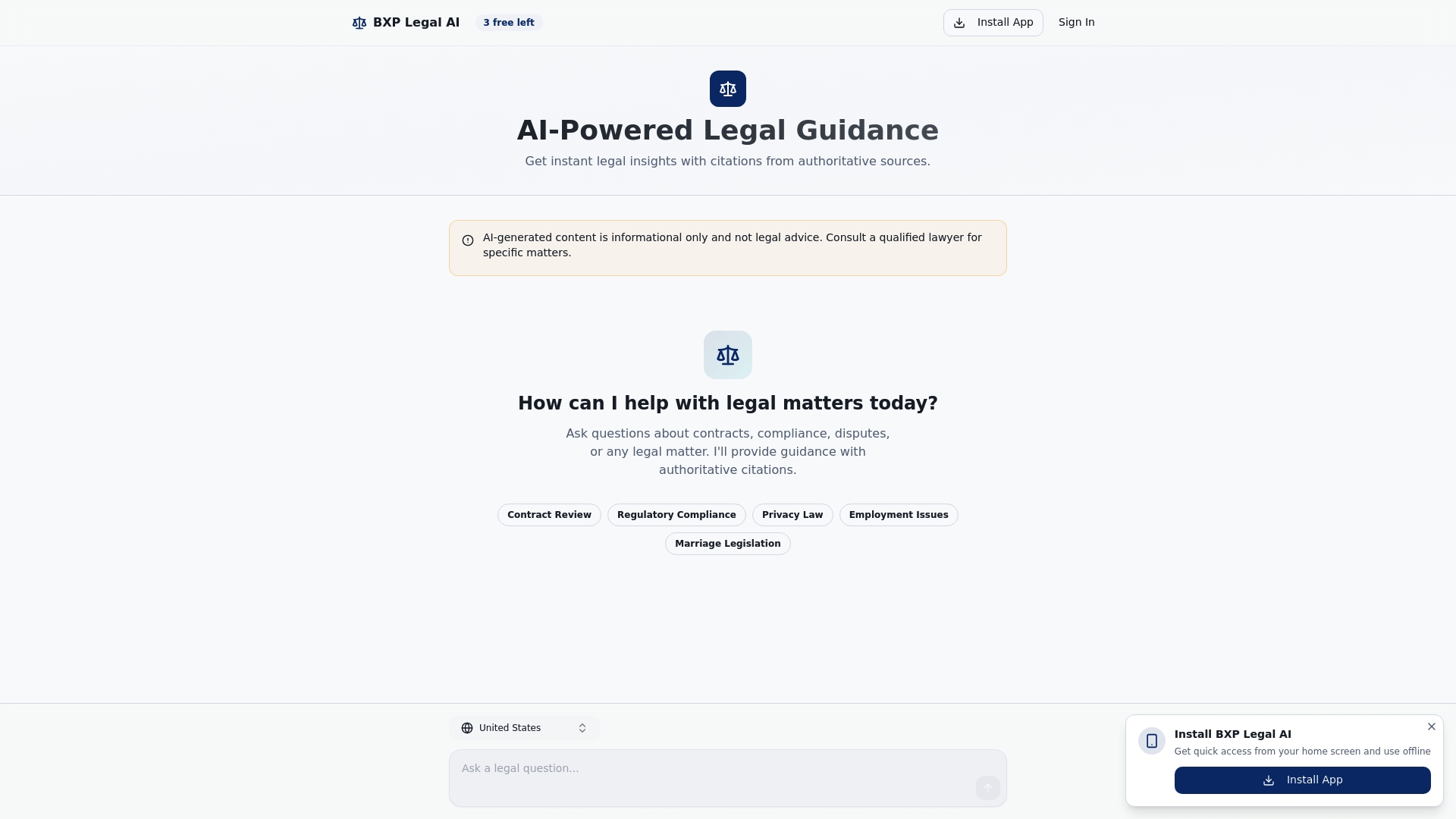
BXP Legal is built specifically for individuals and small businesses who need real legal guidance without the traditional cost and complexity. Through BXP Legal's features, you can access AI-powered tools for contract review, dispute resolution guidance, document drafting, and legal research across multiple areas of law. Whether you're working through a contract disagreement, trying to understand your employment obligations, or drafting an agreement with an ADR clause built in, BXP Legal gives you the resources to act confidently. Stop guessing and start getting clear, cited, actionable legal guidance designed for the way you actually work.
Frequently asked questions
What are the most common types of legal disputes for small businesses?
Contract breaches, employment claims, partnership disputes, and business torts are the most frequent legal disputes small businesses encounter, with contract issues alone accounting for 60% of business litigation.
How can individuals and small businesses prevent legal disputes?
Clear contracts, well-maintained documentation, and ADR clauses specifying mediation or arbitration as first steps are the most effective measures for preventing disputes from escalating into costly litigation.
What is the difference between civil and criminal legal disputes?
Civil disputes involve remedies sought between private parties, while criminal disputes involve the government prosecuting violations against public law, with very different procedures and outcomes for each.
Are most legal disputes settled in court or out of court?
Most legal disputes are settled outside of court, with 95% of lawsuits reaching settlement through negotiation or mediation before a judge ever issues a final ruling.
Which online resources offer help for resolving legal disputes?
Platforms like BXP Legal offer AI-powered guidance, contract review tools, and dispute resolution resources that give individuals and small businesses affordable access to legal support without requiring a traditional law firm engagement.